Bioresonance therapy · Winnipeg

Gentle support for itchy, uncomfortable dogs.

I offer non-invasive, drug-free bioresonance sessions for dogs, and for the households that revolve around them. No needles, no medication, no stress. A gentle, alternative approach to supporting your dog's health and comfort.

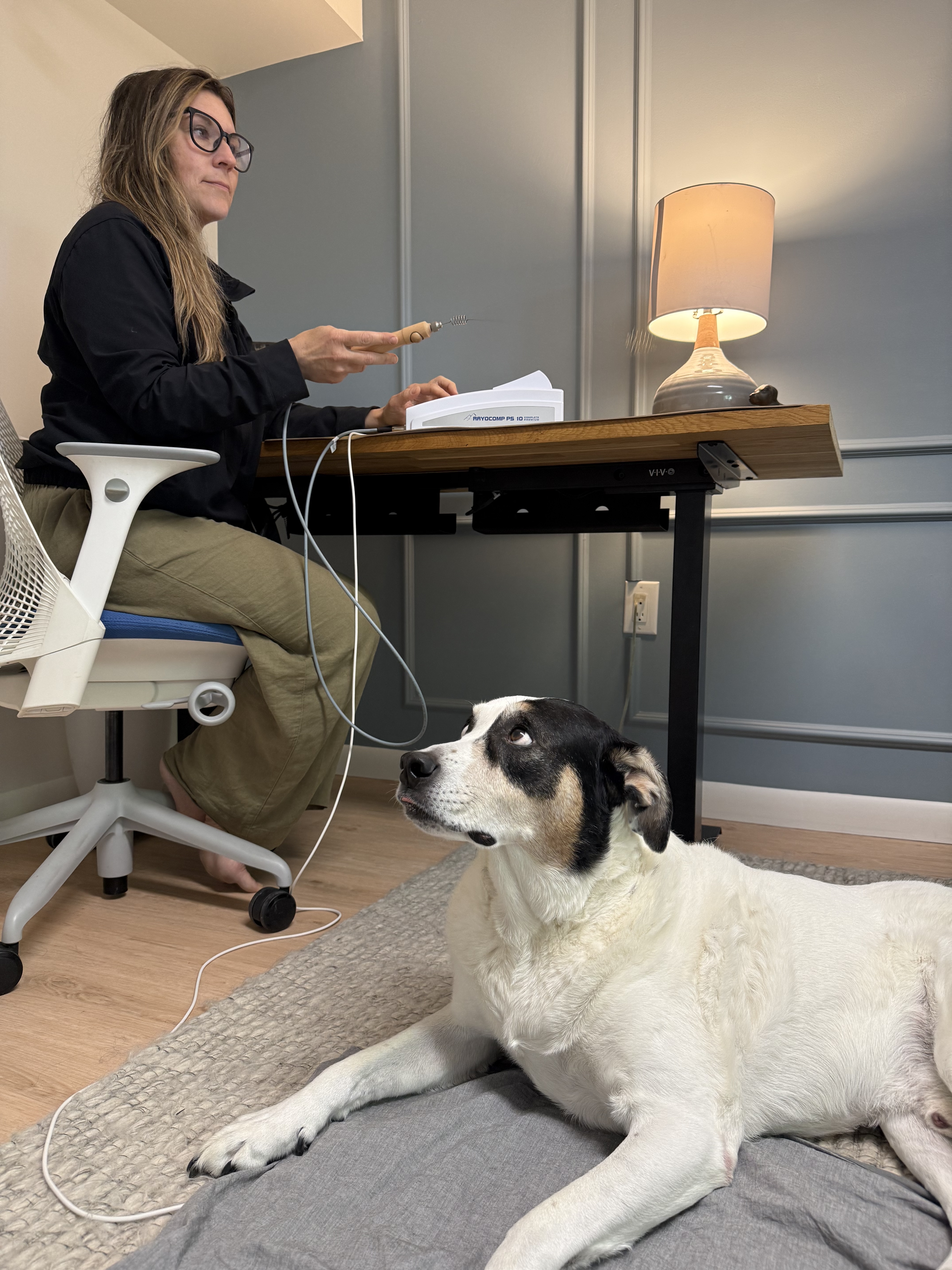
Pete receiving a bioresonance session, resting comfortably.
Skin allergies have been the #1 reason dogs visit the vet for 13 years running.
My story

It started with a puppy who wouldn't stop scratching.

Moonstruck Bio wasn't a business plan. It was me, having already run out of options once myself, and a dog who needed help.
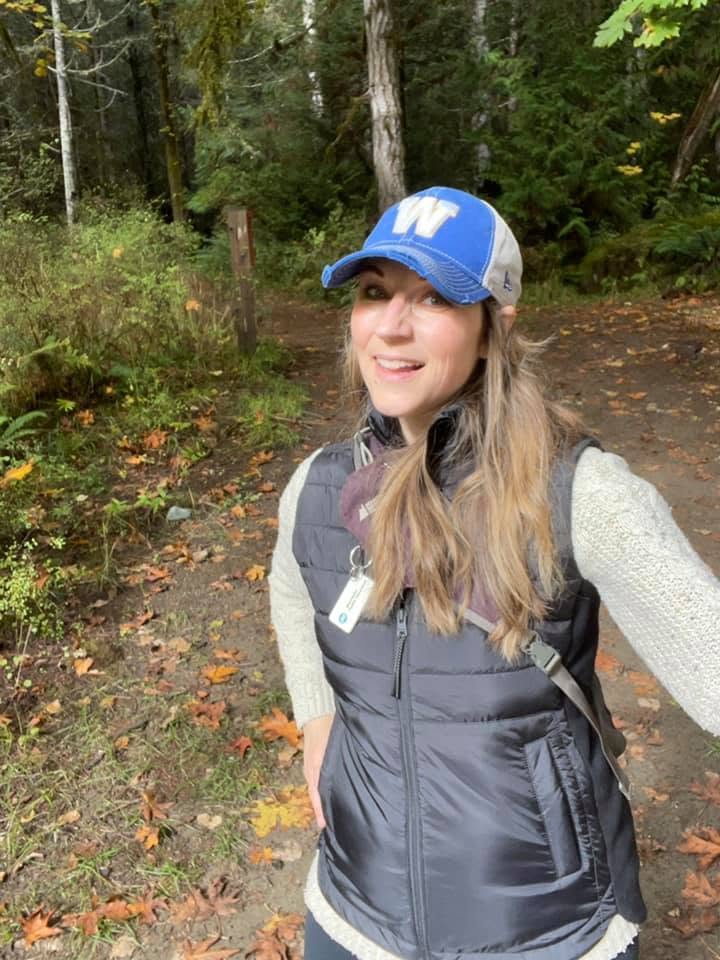
Kim, portrait.

My own long road

I didn't plan to open a practice. I was looking for a way through my own chronic illness.

When conventional approaches ran out of road, I tried bioresonance for myself. What I experienced was enough to make me train in it properly, and before long I was working with others who had arrived at the same dead end I had.

That experience is why I run a session the way I do: unhurried, thorough on history, and without any promise I can't stand behind. Having been the person nobody could help, I'm careful never to overstate what I can offer.

Then came Luna

Luna was an itchy puppy. The scratching was constant and it broke my heart to see my little nugget so uncomfortable.

I had a list of expensive, potentially harmful options in front of me, but I decided to try with Luna what had already worked for me: bioresonance. After the first session, Luna's scratching had eased by more than half. After a handful more, it had all but stopped. Today, she has no allergies or itching at all.

That's one dog, and my own account of her. It's not a promise about what will happen for yours. But it was the moment I knew my practice needed to focus on dogs, because Luna's itching turned out to be more common than I could have imagined.
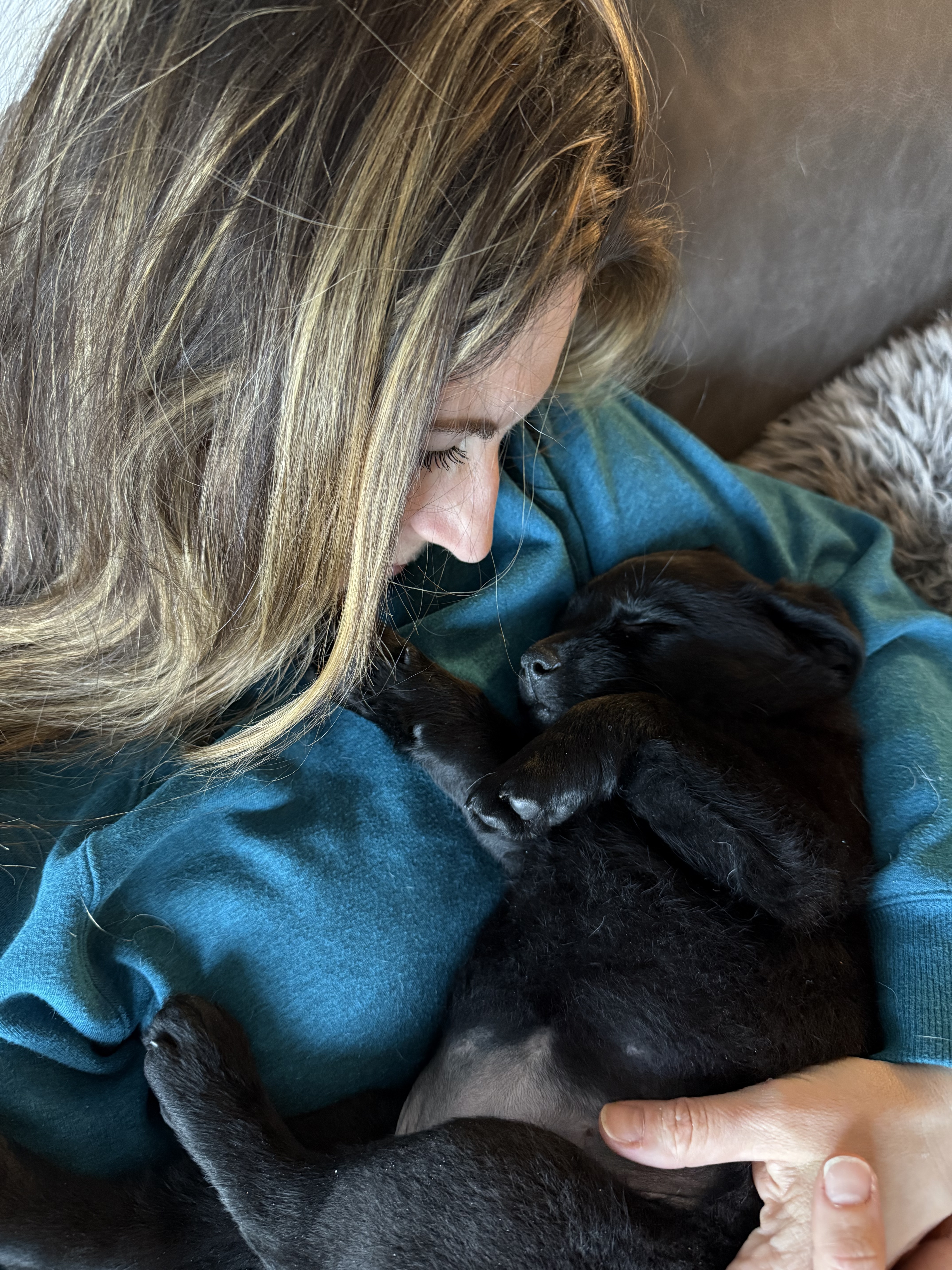
Me holding Luna as a young puppy.
The basics

How bioresonance works.

Bioresonance is a modality first developed in Germany in the 1970s. It works by delivering gentle, painless frequencies to the body to help it recover its own natural ability to heal and stay in balance.

The idea rests on a simple premise: when there is illness in the body, there are energetic disturbances that go along with it. Bioresonance aims to correct those disturbances by returning the right frequencies to the body, so it can settle back toward balance on its own.

It isn't a drug and it isn't a treatment that forces a particular outcome. It's a way of giving the body the specific input it responds to, and then letting the body do the work.

A helpful analogy

Think about the sun.

The sun reaches us at a wavelength of around 500 nanometres. When those particular wavelengths meet your skin, a chemical process begins inside the body: the skin tans, and vitamin D is produced.

Other kinds of light hit your skin too, but they don't create a tan. It's the sun's specific wavelengths, the exact ones the body knows how to respond to, that set off that process.

Bioresonance works on the same principle. When the correct wavelength to support a particular organ or body system is delivered to the body, it can help that system find its own natural balance.

The process

How treatment works.

No needles, no medication, and nothing that requires your dog to hold still for long. Most dogs settle within a few minutes.

01

Sharing what your pet is dealing with

We start by talking through what's been going on: symptoms, timeline, diet, and what you've already tried. This is where we establish the baseline we'll be exploring together.

02

The session itself

Your dog stays with you, lying down on a mat that transmits the bioresonance frequencies, with the device working through gentle contact. Sessions run about two hours. We run through a list of potential causative factors pre-programmed into the machine, and we can also test things you bring with you that your dog is exposed to, to see whether they're contributing.

03

Identifying and removing irritants

Once we've worked to identify potential irritants, the next step is to reduce your pet's exposure to them wherever possible, and to work on the underlying cause of the reaction.

04

Tracking progress over time

Session over session, we track the severity of symptoms to triangulate whether we're on the right track and whether things are improving. You'll always know exactly what to watch for at home, so the decision to continue is based on what you're actually seeing.

For dogs

Most owners arrive here after a long, frustrating journey.

They usually come with some version of the same story: repeated appointments, another food trial, another medication, another temporary reprieve. These are the patterns I hear about most.

Worth knowing: Food allergies account for only about 10–15% of allergies seen in dogs; environmental and contact allergens are far more common. Elimination diets are one reliable way to identify a food allergy, and they take up to twelve weeks to do properly. Bioresonance is another avenue worth exploring, and I'll always be honest with you about what it can and can't offer.

  • Constant scratching, licking, or chewing at paws
  • Recurring ear infections
  • Red, inflamed, or irritated skin
  • Tear staining and weepy eyes
  • Digestive upset with no clear cause
  • Suspected food sensitivities
  • Restlessness that disrupts sleep (theirs and yours)
  • A dog who simply seems uncomfortable in their own skin
Questions

The questions worth asking first.

Is bioresonance a medical treatment?

No. Bioresonance is a complementary, alternative approach to supporting your dog's wellbeing. I don't diagnose, and I don't treat disease, and anything that comes up in a session is information to explore, not a diagnosis.

I'd always encourage you to keep any care your dog is already receiving going, and if your dog seems unwell or their symptoms are worsening, please seek qualified medical attention. I'll be honest with you about what bioresonance can and can't offer.

Is it safe? Will it hurt my dog?

It's non-invasive. No needles, no medication, no sedation. Your dog stays with you throughout.

Some dogs are noticeably tired after a session, and some dogs have a slight increase in symptoms for the following few hours or even into the next day. This doesn't mean they are worse; it often means their body has kicked up a response and is working on healing. If anything concerns you afterward, please seek qualified medical attention.

Is this an allergy test?

No. This is an important distinction and I want to be precise about it: bioresonance is not an allergy test and does not produce a diagnosis. If you need an accurate allergy diagnosis, medical allergy testing is the reliable route.

What a session may do is highlight possible sensitivities worth exploring further. Results from bioresonance testing don't always match reality: a dog flagged for chicken who has eaten chicken happily for years. Treat anything you learn here as a question, not an answer.

How many sessions will we need?

Every animal and every person is different, but I will discuss the process at your first appointment so you have an idea of what to expect.

More importantly, you'll leave the first session knowing exactly what to track, so the decision to continue is based on what you're actually seeing at home, not on what I tell you.

Is it covered by insurance?

No. Bioresonance is not covered by pet insurance or by provincial health coverage in Canada. This is an out-of-pocket cost and I'd rather you know that now than discover it later.

Do you work with people too?

Yes. I worked with people before I ever worked with dogs, and I still do. The same approach applies: a gentle, complementary option, and no claims about treating disease.

Get in touch

Not quite ready, or have questions?

If you're not yet ready to book, or you have questions about anything at all, please reach out. It's as simple as that.

Tell me what's been going on with your dog. I'll be straight with you about whether I think a session is worth your time and money, including when the answer is no.

Moonstruck Bio is based in Winnipeg, Manitoba.

Send me a note

I'll reply within two business days. Nothing you send here is medical advice, and I never share your details.